

Transform your life with a practical Mindful Routine that blends evidence-backed practices to boost focus, memory, and emotional resilience; this guide outlines morning rituals for clarity, midday tools to sustain attention and calm, evening habits that support sleep and memory consolidation, and lifestyle strategies—nutrition, movement, and breathwork—to strengthen cognitive and emotional health, plus methods to track progress and overcome setbacks for lasting change.
How Mindfulness Enhances Cognitive Function and Emotional Resilience
Mindfulness trains attention and awareness, and therefore it boosts cognition and emotional resilience. When you practice a Mindful Routine, you deliberately strengthen neural circuits for focus, working memory, and emotional regulation. Consequently, you think clearer, react calmer, and recover faster from stress.
Key cognitive and emotional benefits:
- Improved attention span and reduced mind-wandering.
- Enhanced working memory and information processing.
- Lowered reactivity to negative emotions and rumination.
- Faster recovery from stress and greater emotional flexibility.
Practical mechanisms (how it works):
- Attention training increases prefrontal cortex engagement, which supports executive functions.
- Mindfulness reduces amygdala hyperactivity, decreasing automatic stress responses.
- Regular reflection and labeling of emotions create distance, enabling deliberate choices.
Quick comparison: Mindfulness vs. Passive Stress Management
| Outcome | Mindfulness (active) | Passive approaches |
|---|---|---|
| Attention | Strengthens through practice | Temporary improvement |
| Emotional control | Builds long-term resilience | Short-lived relief |
| Recovery from stress | Faster and adaptive | Slower, less flexible |
| Memory consolidation | Improved via focused rehearsal | Often impaired by distraction |
To integrate these gains, start small and stay consistent. For example, five minutes of focused breathing each morning within your Mindful Routine yields measurable improvements over weeks. In short, mindfulness transforms fleeting calm into sustained cognitive advantage and emotional resilience.
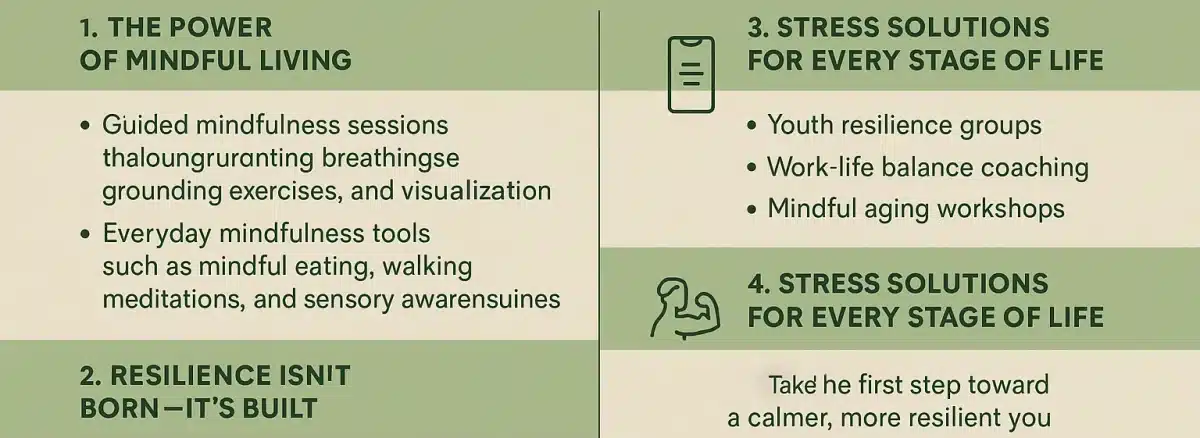
Designing a Morning Ritual for Focus, Memory, and Calm
A deliberate morning ritual sets the tone for cognitive clarity and emotional stability. By integrating short, consistent practices into your Mindful Routine, you prime attention, enhance memory encoding, and reduce reactivity.
Start with a simple sequence (10–30 minutes):
- Wake gently. Avoid screens for the first 20 minutes to reduce cortisol spikes.
- Hydrate and breathe. Drink water and perform 3–5 minutes of slow diaphragmatic breaths to increase oxygen flow.
- Mindful movement. Do light stretching or yoga for 5–10 minutes to boost blood flow and sharpen focus.
- Focused attention practice. Spend 5–10 minutes on seated mindfulness or a short guided meditation to train working memory.
- Set intentions. Write 1–3 concrete goals for the day to align attention and motivation.
Additionally, incorporate cognitive boosters:
- A brief memory exercise (e.g., recall 3 items from yesterday).
- Exposure to natural light within 30 minutes of waking to entrain circadian rhythms.
Quick comparison: short vs. extended morning rituals
| Element | Short (10–15 min) | Extended (30–45 min) |
|---|---|---|
| Breathing | 3 min | 5–10 min |
| Movement | 5 min stretch | 15–20 min yoga/walk |
| Cognitive practice | 5 min meditation | 10–15 min meditation + memory task |
| Journaling | Quick intention | Reflective planning |
Finally, be consistent. Over weeks, this Mindful Routine strengthens neural pathways for attention and emotional resilience, so adapt rather than abandon when life gets busy.
Midday Practices to Sustain Energy, Attention, and Emotional Balance
Midday habits can make or break your afternoon productivity and mood. Incorporating a simple Mindful Routine at lunchtime helps sustain energy, sharpen attention, and steady emotions.
Start with these practical steps:
- Pause for 5 minutes: Close your eyes, notice breath, and let tension dissipate.
- Eat a balanced lunch: Prioritize protein, fiber, and healthy fats to avoid sugar crashes.
- Move intentionally: Take a 10–15 minute walk or stretch to boost blood flow and executive function.
- Micro-meditations: Use 2–3 short (1–5 min) breath-focused sessions to reset attention.
- Check-in journal: Write one sentence about current energy and one intention for the afternoon.
Quick comparison: short practice vs. none
| Practice | Energy | Attention | Emotional Balance |
|---|---|---|---|
| 10–15 min walk + breathwork | Higher | Sharper | Calmer |
| No midday practice | Lower | Fragmented | More reactive |
For best results, sequence practices: eat mindfully, then walk, then a brief breath meditation. This order supports digestion, circulation, and cognitive reset. Additionally, avoid heavy caffeine after noon; instead, hydrate and choose green tea if needed. Finally, integrate these actions as non-negotiable parts of your Mindful Routine so they become effortless over time.
Evening Wind-Down: Sleep Hygiene and Reflective Habits for Memory Consolidation
A consistent evening routine anchors your brain for memory consolidation and emotional recovery. A thoughtful Mindful Routine signals your nervous system to shift from vigilance to restoration, improving recall and mood overnight.
Key practices to include:
- Set a fixed bedtime to stabilize circadian rhythm.
- Dim lights 60–90 minutes before sleep to boost melatonin production.
- Limit screens and blue light; prefer a paper journal or soft music.
- Brief contemplative journaling (5–10 minutes) to process the day and reduce rumination.
- Gentle stretching or breathwork (4–10 minutes) to lower heart rate and prepare the body for rest.
Quick comparison: habits vs outcomes
| Evening Habit | Immediate Effect | Overnight Benefit |
|---|---|---|
| Fixed bedtime | Predictability | Stronger memory consolidation |
| Journaling | Emotional clarity | Reduced intrusive thoughts |
| Breathwork | Heart-rate drop | Deeper slow-wave sleep |
| Screen avoidance | Less stimulation | Improved REM architecture |
Practical tips to implement your Mindful Routine:
- Create a 3-step cue (light dim → journal → breathwork) to automate behavior.
- Keep journaling prompts focused: “What I learned today” and “What I’ll let go of.”
- Use progressive muscle relaxation or box breathing if anxiety interferes with sleep.
Finally, track sleep quality and morning recall for two weeks. Adjust timing and techniques until you consistently wake feeling refreshed and mentally sharp.

Nutrition, Movement, and Breathwork: Biological Foundations for Cognitive and Emotional Health
Nutrition, movement, and breathwork form the triad that supports brain function and emotional regulation. A consistent Mindful Routine that integrates all three amplifies cognitive clarity and reduces stress.
- Nutrition: Prioritize omega-3s, antioxidants, and stable glucose sources. For example, include fatty fish, berries, nuts, and whole grains to support synaptic plasticity and steady energy.
- Movement: Combine aerobic exercise with strength and mobility work. Regular movement increases neurotrophic factors (like BDNF), which improve memory and executive function.
- Breathwork: Practice diaphragmatic breathing, box breathing, or 4-4-6 patterns. Breathwork rapidly downregulates the stress response and enhances interoceptive awareness.
Quick comparison
| Component | Primary Benefit | Practical Tip |
|---|---|---|
| Nutrition | Neuroprotection, steady energy | Protein + fiber at each meal |
| Movement | Neurogenesis, mood boost | 30 min moderate exercise 4x/week |
| Breathwork | Immediate stress reduction | 5 min morning and mid-afternoon sessions |
Integrate these elements into a daily Mindful Routine. For instance, start with 5 minutes of breathwork, follow with a protein-rich breakfast, and schedule a midday walk. Over time, this synergy improves attention, stabilizes mood, and enhances sleep-dependent memory consolidation.
Finally, monitor outcomes—energy, focus, and emotional reactivity—and adjust portions, intensity, and breath practices accordingly to sustain long-term cognitive and emotional health.
Tracking Progress, Troubleshooting Setbacks, and Building Lasting Habits
Tracking progress turns intention into measurable momentum. First, choose simple metrics tied to your Mindful Routine: minutes meditated, sleep hours, focused work blocks, mood ratings. Then, record them daily to spot trends and reinforce wins.
Practical steps
- Daily log: 5–10 entries (time, activity, outcome).
- Weekly review: Identify patterns, celebrate improvements, and set one micro-goal.
- Monthly reflection: Adjust practices based on data and well-being.
Troubleshooting common setbacks
- If motivation dips, reduce the task length. Short sessions beat skipped sessions.
- If distractions persist, change context: relocate, disable notifications, or use a single-purpose timer.
- If stress spikes, prioritize breathwork and a brief body scan before resuming tasks.
Building lasting habits
- Use the habit-stacking method: attach a new mindful habit to an established cue (e.g., after breakfast, practice 5 minutes of focused breathing).
- Reinforce with immediate rewards: a calming tea, a checkmark, or a brief walk.
- Leverage accountability: share goals with a friend or join a small group.
Comparison: tracking methods
| Method | Best for |
|---|---|
| Paper journal | Reflective depth, low tech |
| App/ tracker | Quick logging, trend visuals |
Finally, iterate. As you measure and troubleshoot, your Mindful Routine becomes more resilient and sustainable, leading to enduring cognitive and emotional gains.
Frequently Asked Questions
What is a mindful routine and how can it improve cognitive function?
A mindful routine is a structured sequence of daily practices that cultivate present-moment awareness, intentional breathing, and focused attention. When performed consistently, these practices strengthen neural pathways associated with attention, working memory, and executive function. Mindfulness reduces cognitive load by decreasing rumination and multitasking, which leads to clearer thinking and faster decision-making. Over time, regular mindfulness practice has been shown to increase gray matter in brain regions linked to learning and self-regulation, improving mental clarity and problem-solving abilities.
How long should I practice each day to see cognitive and emotional benefits?
For measurable cognitive and emotional benefits, aim to practice mindfulness for at least 15 to 30 minutes daily. Early changes, such as reduced stress and improved attention, can appear within a few weeks of consistent practice, while more durable structural brain changes typically require several months. Shorter sessions practiced multiple times per day—such as three 10-minute sessions—can be as effective as a single longer session. Consistency is more important than session length: daily commitment builds momentum and integrates benefits into everyday life.
Which specific activities should I include in the ultimate mindful routine?
An effective mindful routine combines several complementary activities: a focused breathing or seated meditation practice to anchor attention; mindful movement such as gentle yoga or walking meditation to integrate body awareness; cognitive exercises like journaling or cognitive reframing to strengthen executive skills; and restorative practices such as progressive muscle relaxation or short naps to support recovery. Additionally, incorporate deliberate digital hygiene (scheduled breaks from screens) and mindful eating to improve concentration and emotional regulation throughout the day.
Can a mindful routine help with anxiety, depression, or mood regulation?
Yes—when structured and practiced consistently, a mindful routine can significantly aid anxiety and depression management and improve mood regulation. Mindfulness reduces the physiological stress response, lowers cortisol levels, and interrupts cycles of negative thought by promoting nonjudgmental awareness. Combined with behavioral strategies (consistent sleep, exercise, and social connection), mindfulness improves emotional resilience, decreases symptom severity, and enhances coping skills. For clinical conditions, mindful routines are best used alongside professional treatment and medication when recommended by a clinician.
How do I create a personalized mindful routine that fits a busy schedule?
Start by identifying realistic time windows in your day—mornings, lunch breaks, or evenings—and choose two to three core practices you can reliably maintain, such as 10 minutes of morning meditation, a short mindful walk midafternoon, and a bedtime journaling practice. Gradually increase duration if possible. Use reminders, pair practices with existing habits (habit stacking), and set clear, measurable goals. Track progress in a simple log, and adjust intensity and variety so the routine remains sustainable and aligned with your cognitive and emotional goals.